CategoriesLatest News

Sebastien Levantard: “Seychelles is a jurisdiction where substance, compliance, and transparency are not optional, but expected”
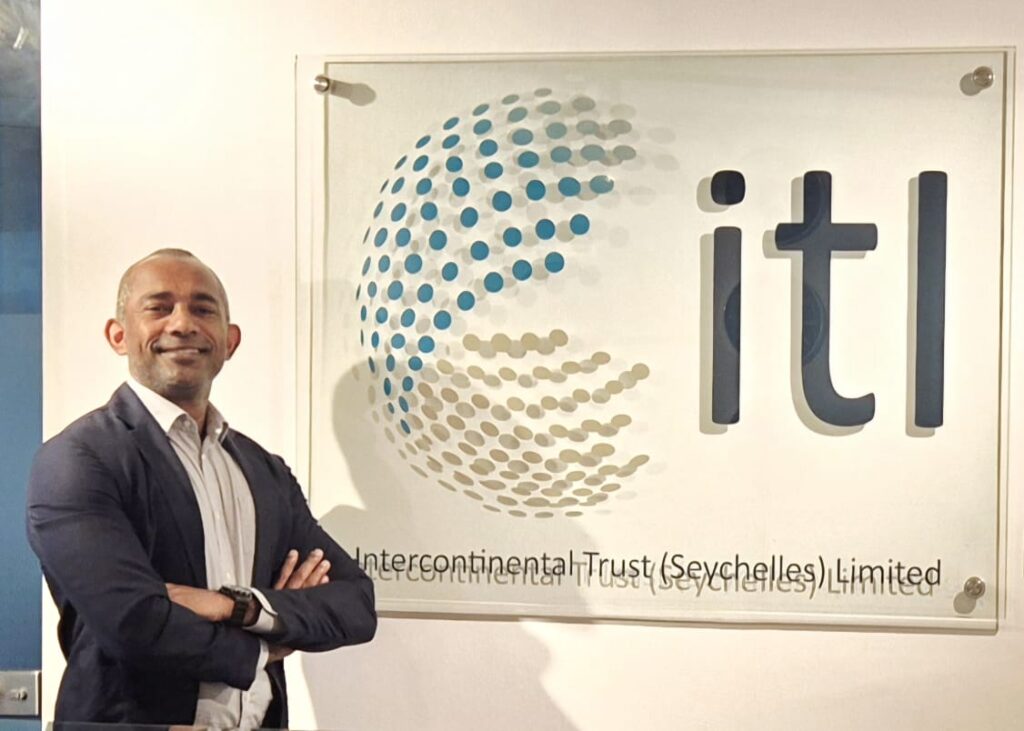
Intercontinental Trust Seychelles Limited (ITSL) Director Sebastien Levantard who heads the Seychelles office, speaks about the jurisdiction’s journey to a low-risk, well-regulated financial centre for cross-border structuring. He notes that ITSL is seeing growing demand for Seychelles vehicles, especially from clients looking to diversify away from traditional centres, while discussing three noteworthy rankings that find Seychelles pioneering African economies.

Indeed, be it the Economic Crime 2025 Index, the Ibrahim Index of African Governance for 2024 or the 2024 Corruption Perceptions Index, Sebastien explains how the jurisdiction is making a mark in the global investment landscape through good governance and transparency.

Edited excerpts from an exclusive interview:

1. In October 2024, the Seychelles and the UK reaffirmed their commitment to collaborate on enhancing economic growth, combating corruption and addressing climate change. The UK Minister for Africa also highlighted a new agreement to combat illicit financing, promoting transparency in the Seychelles. How do you see these commitments translating into an improved business climate on the ground?

Since the signing of the UK–Seychelles Economic Security Agreement in October 2024, we have seen concrete steps taken to bring these commitments to life. Notably, in May 2025, the two countries completed their first six-month review, leading to renewed UK funding to enhance Seychelles’ digital forensic capabilities and transparency frameworks.

Seychelles has also implemented new rules requiring all companies and legal arrangements to conduct annual reviews of their beneficial ownership data, including nominee declarations. This systematic approach aims to improve accuracy and support compliance processes.

For us from the financial services sector, this translates to smoother onboarding, reduced compliance friction, and increased credibility with international regulators and banks. When foreign institutions recognise that Seychelles entities operate under a transparent and enforceable regime, they are more likely to support transactions and relationships.

Moreover, Seychelles’ leadership in this area was underscored when it hosted the inaugural African Beneficial Ownership Transparency Network (AfBOTN) meeting in October 2024. Co-chaired by the UK and supported by the African Development Bank, this initiative positioned Seychelles at the forefront of regional governance and anti-financial crime initiatives.

In summary, these advancements indicate that Seychelles adheres to international standards and actively contributes to the progression of responsible business practices. For our industry, it is a boost in legitimacy, confidence, and international connectivity.

2. The recent report by consulting firm Secretariat International, the Economic Crime 2025 Index, has ranked the Seychelles as Africa’s least risky country for financial and economic crime. The index, which evaluates 177 countries on their exposure to financial crimes like money laundering, corruption, and organised crime, has also ranked the Seychelles as 22nd in the world. Could you comment on key takeaways from the report released in April 2025, and what it has meant for investor confidence in the Seychelles as a fund jurisdiction of note?

This ranking is a standout achievement for Seychelles. According to the Secretariat Economic Crime Index (SECI), Seychelles not only ranked 1st in Africa but 22nd globally.

It is classified within the “Vigilant Players” category, recognised for actively strengthening its anti-financial crime frameworks.

This statement is supported by tangible reforms that have been both implemented and observed in practice.

For our sector, this is a game-changer. These rankings reflect that Seychelles is no longer viewed as a high-risk offshore jurisdiction. Instead, it is emerging as a low-risk, well-regulated jurisdiction for cross-border structuring. That has major practical benefits: for example, onboarding clients with financial institutions has become smoother because the due diligence flags are lower when Seychelles structures are involved.

We have also seen growing demand for Seychelles vehicles, especially from clients looking to diversify away from traditional centres. This report validates that trend, reinforcing confidence in our compliance infrastructure and the steps taken to reduce exposure to financial crime.

Importantly, the SECI leverages from a wide array of respected sources such as the Basel AML Index, Corruption Perceptions Index, and Organized Crime Index. This multi-source approach gives the ranking additional credibility with international compliance teams and regulators. For clients, it means lower reputational risk. For service providers, it strengthens our ability to market Seychelles as a modern and trusted jurisdiction. This ranking has helped convert perception into confidence, and confidence into action.
3. This report is not an isolated development but has also found echoes in others such as the Ibrahim Index of African Governance for 2024 where the Seychelles was ranked 1st in Africa. Moreover, the Mo Ibrahim Foundation noted that the Seychelles is both the best performing and most improved country on the continent, gaining an impressive +10.0 points following progress over the decade, far above the modest continental average change limited to 1 point. Could you provide your views on key takeaways from the report and elaborate on how the improved governance climate translates into a more conducive environment for investors to do business?

The 2024 Ibrahim Index of African Governance (IIAG) paints a compelling picture of Seychelles’ governance trajectory. With a score of 75.3, Seychelles ranked 1st in Africa and achieved the highest improvement over the last decade, with gains in every one of the 16 governance sub-categories, particularly in anti-corruption mechanisms and citizen participation.

This is significant for the financial services sector. Good governance is the bedrock of investor confidence. When clients see that a jurisdiction offers consistent regulatory frameworks, impartial legal systems, and functioning institutions, they are more likely to invest and establish structures. The IIAG results show Seychelles is delivering on all fronts.

This improved governance climate reduces uncertainty, enhances the ease of doing business, and positions Seychelles as a credible, long-term partner for international investment. For us, it means faster licensing processes, better interactions with regulators, and smoother coordination across government departments.

The index indicates that Seychelles is recognised for its governance in Africa. It is a clear signal to fund managers, institutional investors, and private clients that we are a jurisdiction where risk is managed, standards are rising, and business can be conducted with confidence.

4. Rounding up the trio of impressive accolades for the Seychelles is the ranking secured by the island nation in the 2024 Corruption Perceptions Index (CPI) published by Transparency International in January 2025. Here, the Seychelles not only ranked 1st in Africa and 18th globally, but also got its highest score of 72 out of 100 to date, further reinforcing its reputation for good governance and transparency. How does this continued thrust on transparency, with successive No 1 ranking in the index across the years, reflect on the Seychelles as a fund jurisdiction of substance?

Seychelles’ performance in the 2024 Corruption Perceptions Index is a strong vote of confidence in the country’s commitment to clean and accountable governance. Scoring 72 out of 100, our highest score yet, and ranking 1st in Africa and 18th globally, Seychelles has positioned itself ahead of major economies. This marks the fifth consecutive year that Seychelles has led the continent in this index, and the momentum is clearly moving in the right direction.

In our sector, reputational strength matters. When a jurisdiction consistently ranks among the best in the world for transparency and anti-corruption, it gives international clients, banks, and regulators added assurance that structures established here meet the highest standards.

We are already seeing the effects on the ground with increased interest for choosing Seychelles as a jurisdiction of substance. The reason is simple: decision makers and advisers now have independent, internationally recognised data to point to when justifying why they have selected Seychelles.

This reputation is reinforced by real regulatory reforms. We have introduced mandatory disclosures of beneficial ownership, including nominee relationships, and enforced regular reviews of that data.

Companies are required to file accounting records twice a year, with clear retention timelines. The trust legislation has been modernised to include stronger oversight, financial reporting, and recordkeeping. These changes give substance to our rankings, they are not just earned on paper but implemented in practice.

Seychelles’ top-tier CPI ranking is a reflection of the progress we have made and a signal that this is a jurisdiction where substance, compliance, and transparency are not optional, but expected. For our sector, this means we can confidently offer our clients a stable, credible platform for international structuring, knowing we are backed by global recognition and real reforms.

In our sector, reputational strength matters. When a jurisdiction consistently ranks among the best in the world for transparency and anti-corruption, it gives international clients, banks, and regulators added assurance that structures established here meet the highest standards.

We are already seeing the effects on the ground with increased interest for choosing Seychelles as a jurisdiction of substance. The reason is simple: decision makers and advisers now have independent, internationally recognised data to point to when justifying why they have selected Seychelles.

This reputation is reinforced by real regulatory reforms. We have introduced mandatory disclosures of beneficial ownership, including nominee relationships, and enforced regular reviews of that data. Companies are required to file accounting records twice a year, with clear retention timelines. The trust legislation has been modernised to include stronger oversight, financial reporting, and recordkeeping. These changes give substance to our rankings, they are not just earned on paper but implemented in practice.

Seychelles’ top-tier CPI ranking is a reflection of the progress we have made and a signal that this is a jurisdiction where substance, compliance, and transparency are not optional, but expected. For our sector, this means we can confidently offer our clients a stable, credible platform for international structuring, knowing we are backed by global recognition and real reforms.

5. Finally, innovation is a key success factor in the fund administration space. In September 2024, the Virtual Assets Service Providers (VASP) Act 2024 was officially enacted in the Seychelles, establishing a regulatory framework for VASPs that clearly defines their obligations and responsibilities in relation to virtual asset activities in or from the country. Could you provide your insights into how this cutting-edge legislation allows the Seychelles to enhance investor protection and foster innovation in the virtual asset space?

The VASP Act 2024 is a defining moment for Seychelles as a forward-looking financial centre. With this legislation, Seychelles has introduced a full-fledged legal framework to regulate virtual assets.

The law requires VASPs to be licensed by the Financial Services Authority (FSA), adhere to strict AML/CFT standards, and maintain a local presence. It also ensures robust consumer protection through segregation of client assets and mandatory cybersecurity safeguards.

For our sector, the opportunity is clear. We can now support clients within a regulated, credible environment. Investors benefit from greater legal certainty, and service providers gain a clear roadmap to participate in this space responsibly.

Importantly, the VASP Act included a transition period, during which existing providers were required to regularise their status with the FSA. Since then, the regulator has already taken steps against unlicensed entities, showing that enforcement is being taken seriously.

It is a robust framework that balances the need for innovation with the obligations of financial integrity. For investors looking to future-proof their structures, Seychelles now offers a regulated, transparent environment for engaging with digital assets, making us not only relevant, but competitive, in the fast-evolving world of finance.
CategoriesLatest News

A New Chapter in Mauritius–Japan Relations

ITL Reaffirms International Positioning Through CEO’s Participation at Key Events in Japan

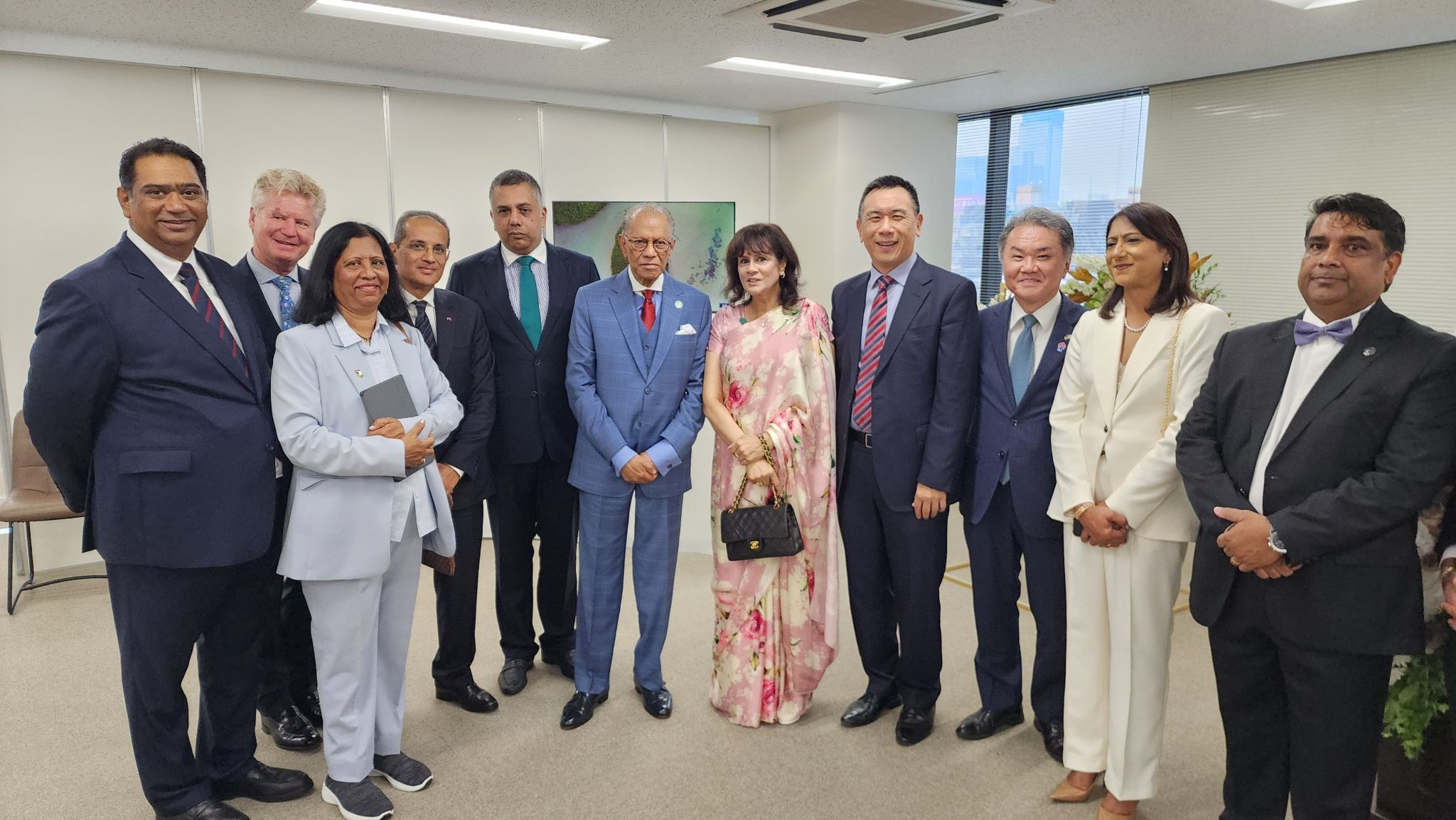
Intercontinental Trust Ltd (ITL) has reinforced its international positioning with the participation of its CEO, Ben Lim, in two landmark events in Japan: the 9th Tokyo International Conference on African Development (TICAD 9) in Yokohama, and the official inauguration of the Embassy of the Republic of Mauritius in Tokyo, held under the patronage of the Prime Minister, Hon. Dr Navinchandra Ramgoolam.

Importantly, the Prime Minister confirmed that his Japanese counterpart has agreed to the signing of an Investment Promotion and Protection Agreement (IPPA) and stressed the importance of also establishing a Double Taxation Agreement (DTA) between the two countries. H.E. Mr Kan Masahiro, the Ambassador of Japan to Mauritius reinforced this perspective, noting that a DTA should follow the IPPA as the natural next step, a declaration that underlines Japan’s commitment to deepening its economic partnership with Mauritius.

A Mauritian delegation, led by the Economic Development Board (EDB), took part in a series of strategic events aimed at positioning Mauritius as a hub for investment and trade, while consolidating economic relations between Mauritius, Japan and Africa.

TICAD 9: Mauritius as a Strategic Bridge between Africa and Asia

Prime Minister Dr Navinchandra Ramgoolam attended the 9th Tokyo International Conference on African Development (TICAD) in Yokohama, where he also participated in bilateral meetings and working sessions with representatives from various nations. These exchanges focused on strengthening cooperation between Africa and Japan in key areas such as trade, investment and sustainable development, all of direct relevance to Mauritius’ positioning as a regional hub.

As part of the Mauritian delegation led by the Economic Development Board (EDB), ITL’s CEO Ben Lim also took part in TICAD 9, contributing to the promotion of Mauritius as a strategic bridge between Africa and Asia and showcasing ITL’s expertise in structuring cross-border investments.

Inauguration of the Embassy of Mauritius in Japan: A Historic Milestone

On 22 August, Ben Lim also attended the inauguration of the new Embassy of Mauritius in Tokyo. This milestone builds upon diplomatic relations established between Mauritius and Japan since 1968.

The Prime Minister, Dr Navinchandra Ramgoolam mentioned during this speech that the Embassy will serve as a key platform to advance economic cooperation between the two nations, facilitating trade and investment flows and promoting business partnerships. . It further consolidates Mauritius’ position as a trusted International Financial Centre (IFC) and a gateway for Japanese investment into Africa.

ITL: A Long-Standing Partner to Japanese Clients

For more than two decades, ITL has supported its clients in pursuing their regional and international ambitions. Among them are renowned Japanese groups such as Mitsui O.S.K. Lines (MOL), a testament to the strength and relevance of ITL’s solutions.

The inauguration of the Embassy reinforces ITL’s positioning as a strategic partner for investors seeking to leverage the Mauritian platform to connect with African opportunities.

“Mauritius has all the attributes to be a stable and innovative investment hub, i.e. a strong anchor point between Africa and Asia. At ITL, we are proud to accompany our clients, including those from Japan, in structuring international projects and building sustainable partnerships. The opening of this Embassy further strengthens our commitment to consolidating bridges between Mauritius, Japan and Africa. The progress towards an IPPA, and the prospect of a future DTA, will further enhance this bridge, creating a stronger framework for trade, investment and long-term collaboration” said Ben Lim, CEO of ITL.

CategoriesLatest News

Sweet start: ITL Foundation uplifts young learners on World Biscuit Day

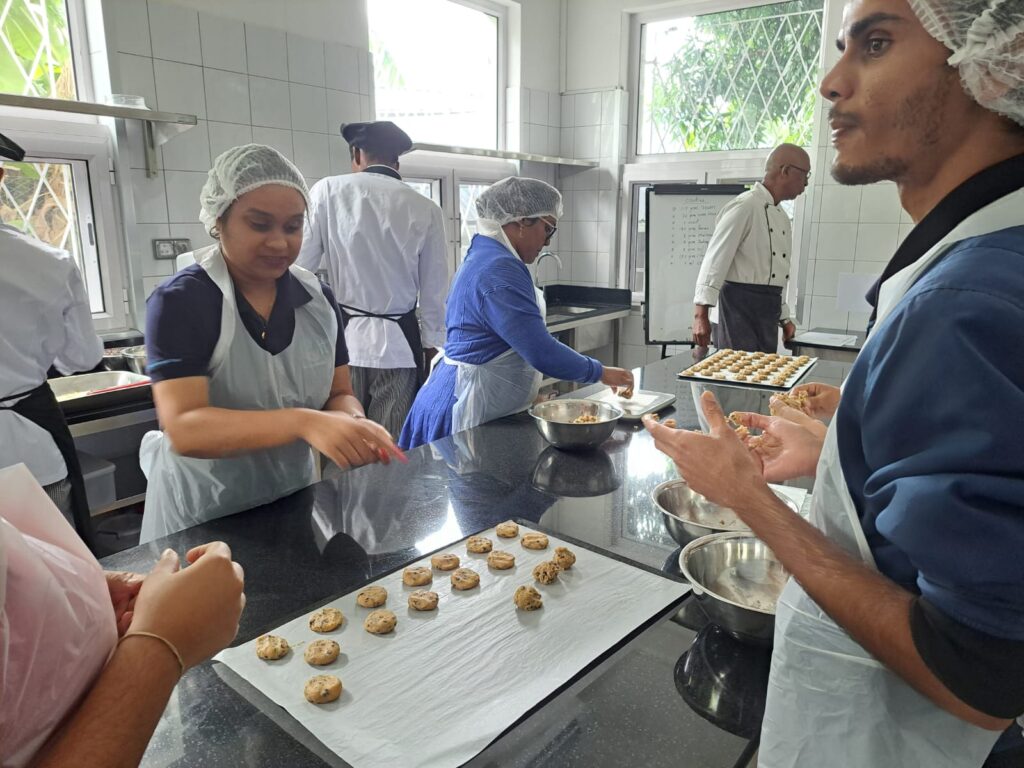
The ITL Foundation recently gathered staff for a hands-on baking session at ECAL (École Culinaire Aline Leal) in the heart of Port Louis, in collaboration with ANFEN, to mark World Biscuit Day.

ANFEN, which stands for the Adolescent Non-Formal Education Network, was created in 2000 by the UNICEF organisation. With a focus on youth excluded from formal education, ANFEN support its members in their efforts to reintegrate those excluded from school into society through inclusive and vocational training.

The sweet smell of success: Creating impact, one biscuit at a time

Under the guidance of the ever-passionate Chef Kendra Li, and in the joyful company of ANFEN students, the group dove into traditional biscuit recipes – mixing, kneading and laughing their way through the morning.

But it wasn’t just about baking. Every biscuit made was more than a treat – it was a symbol of support. All baked goodies were purchased to fund ANFEN’s training programme, helping empower adolescents who have faced educational challenges.

“We can’t thank our dedicated team of volunteers enough, who seized the opportunity presented by World Biscuit Day and rolled up their sleeves for an activity that has been so truly meaningful. The session itself was full of smiles, shared stories, flour-dusted aprons, and heart-warming moments between volunteers and the students. It was a reminder of the impact we can make when we step out of our routine and connect with our community,” said Françoise Chan, Executive Director and Board Member of the ITL Foundation.

Beyond biscuits: Shining a spotlight on the ITL Foundation

All in all, World Biscuit Day was a proper treat! Once the biscuits were ready, our colleagues at ITL gathered for a cozy afternoon filled with the comforting aroma of homemade biscuits baked by our staff volunteers in collaboration with ANFEN, perfectly paired with Earl Grey, Chamomile, and Mint Infusion teas.

The event offered a space to pause and reflect – together with the chance to discover the brilliant work of the ITL Foundation. Our colleagues were given the opportunity to browse through photo displays and videos showcasing our past community projects, all beautifully laid out on screens and posters.

Indeed, the last few months since the official launch of the ITL Foundation in December 2024 have been marked by community initiatives such as a cozy Christmas celebration with SAFIRE children and the donation of refurbished laptops to vulnerable children. As the dedicated CSR arm that will drive our commitment to making a positive impact in our community, the ITL Foundation has been striving to touch lives and deepen its outreach to vulnerable segments.

Altogether, the event marking World Biscuit Day served as a great reminder of how small actions can drive big change. It was also the perfect forum to spark ideas for what we can do next through an idea wall where our colleagues shared suggestions for future Foundation projects.

Ready to learn more about how our community outreach is changing lives around us? Stay tuned for the next impactful initiative by the ITL Foundation!

CategoriesLatest News

ITL reinforces commitment to sustainability and responsible business

The global movement towards corporate sustainability has significant overtones for Mauritius as a small island developing state. Integrating Environmental, Social and Governance (ESG) principles throughout its financial services ecosystem has been a key thrust for the government and is a pivotal aspect of the government strategy to develop the funds industry in particular.

In this line, the Financial Services Commission (FSC) has introduced the new Disclosure and Reporting Guidelines for ESG Funds, aimed at enhancing transparency and accountability within the sector. These guidelines are intended for investment businesses championing ESG strategies that align with the United Nations Sustainable Development Goals (UN SDGs) or other globally recognised sustainability frameworks. By setting a clear standard for transparency, the FSC is empowering these businesses to showcase the authenticity of their ESG commitments – while taking a firm stand against greenwashing. The goal is to equip investors with transparent, consistent, and trustworthy information that supports confident decision-making and reinforces integrity, accountability, and market discipline across the financial services landscape.

With ESG considerations now being a cornerstone of investment decisions and corporate strategies, Intercontinental Trust Limited (ITL) is proud to note that it has been a pioneer in the sustainability space in Mauritius. Indeed, since 2020, ITL has been a signatory to the Ten Principles of the United Nations Global Compact (UNGC), in the areas of Human Rights, Labour, Environment, and Anti-Corruption. In so doing, ITL shows its effort to integrate the Ten Principles into its business strategy, culture, and daily operations, and contribute to UN goals, particularly the Sustainable Development Goals (SDGs).

Making a positive difference: ITL’s commitment to the UNGC

Since January 2023, our Executive Director Francoise Chan has been representing ITL on the council of the UN Global Compact Network Indian Ocean and we are proud to announce that she has now been elected Vice-chair of the council. The UN Global Compact Network Indian Ocean is a multi-stakeholder regional platform for businesses in Mauritius, Madagascar, Seychelles and Comoros to align their strategies and operation with universal sustainability principles, and take action to advance the SDGs. It is the first regional network in Africa that provides an opportunity for businesses across the continent to share knowledge and create impactful partnerships to progress on the 2030 Agenda both locally and regionally.

This appointment reflects Françoise’s unwavering commitment to responsible business and sustainable development and underlines ITL’s long-standing dedication to the UNGC’s Ten Principles. By incorporating these universal sustainability principles into strategies, policies and procedures, and establishing a culture of integrity, companies are not only upholding their basic responsibilities to people and planet, but also setting the stage for long-term success.

Striving hard for sustainable outcomes: The UNGC and its Ten Principles

The UNGC notes that corporate sustainability starts with a company’s value system and a principles-based approach to doing business. Responsible businesses enact the same values and principles wherever they have a presence, and know that good practices in one area do not offset harm in another. The Ten Principles of the United Nations Global Compact are derived from: the Universal Declaration of Human Rights, the International Labour Organisation’s Declaration on Fundamental Principles and Rights at Work, the Rio Declaration on Environment and Development, and the United Nations Convention Against Corruption. Principles 1 to 2 pertain to Human Rights, 3 to 6 lie under the Labour paradigm, 7 to 9 pertain to the Environment and 10 deals with Anti-corruption efforts.

Strengthening our foundation for sustainability efforts

Over the 25 years of its existence, ITL has been actively supporting stakeholders, including NGOs and governmental agencies, that are engaged in ecological transitions. To further evince our dedication and commitment to our community, the recently launched ITL Foundation will continue to focus on education, poverty alleviation, environmental and sustainable initiatives for a better future through its different initiatives in the community.

The ITL Foundation launched in 2024 represents our concerted thrust on community outreach efforts and focuses primarily on the following pillars:

  1. Education, including women empowerment,
  2. Community development and poverty alleviation, and
  3. The environment and sustainable development.

Apart from its commitment to the UNGC, at an overarching level, ITL has adopted a group sustainability strategy that actively focuses on specific UN SDGs. Our targeted SDGs include Gender Equality (SDG 5), Reduced Inequalities (SDG 10), Climate Action (SDG 13), and Life on Land (SDG 15).

A call to action: Do good while doing well

At ITL, we urge other management companies and fund service providers to join the movement to do good while doing well.

“Aligning financial returns with sustainable outcomes is now indispensable for businesses, especially those operating in key sectors such as financial services. Here, the importance of being part of impactful initiatives such as the UNGC Network cannot be overstated, with the wealth of resources available through their platform to support fund service providers and management companies in their ESG journey. Indeed, taken together with the new regulatory framework for ESG Funds which came into effect on 24th March 2025, the timing couldn’t be better!” notes Francoise Chan, Executive Director, ITL and Vice-chair, UNGC Network Indian Ocean.

As investors, governments, and the public become increasingly aware of the significant impact that businesses have on communities, societies, and the environment, the onus is on us to rise to the occasion and position our jurisdiction for sustainable success.

CategoriesLatest News

Raising Awareness : ITL Foundation hosts prevention workshop with Pedostop

Sexual violence against children is becoming astonishingly widespread globally – and our island paradise is no exception. At Intercontinental Trust Ltd (ITL), it took a powerful session with Pedostop, a local organisation committed to fighting child sexual abuse, for us to fully understand the wide prevalence of this scourge in Mauritius.

More importantly, the session took us through a training that has equipped us to create a safer and more protective environment for children by understanding signs of abuse and sensitising us to the importance of speaking up.

Step one: Raising Awareness

The session, organised by the ITL Foundation, our charitable arm, was truly eye-opening and unveiled some staggering statistics. Indeed, as many as 42% of respondents in Mauritius reported having experienced at least form of child abuse in their lifetime. In Rodrigues, 31% of respondents have experienced similar situations.

According to official statistics, 3,221 sexual abuse cases were reported from 2016 to 2023, and the number of victims is estimated to be around 107,366 at a minimum. In terms of gender specific statistics, as many as 1 in 5 girls become victims of sexual violence before the age of 11 years, while 1 in 13 boys face a similar fate.

Beyond statistics, the workshop was both instructive and deeply moving, offering insights into the often-hidden realities faced by children in our society. Many of us were touched by the personal stories shared and the staggering facts that revealed just how urgent and widespread this issue is. Indeed, in 92% of cases, the aggressor is a close friend or relative – be it family, neighbour or teacher – forming grounds for repeat offence. No wonder as many as 19% of Mauritians who were forced to engage in sexual activities experienced the same situations several times. Such abuse has both short-term and long-term consequences for the victims, who face a gamut of issues ranging from post-traumatic stress, mental health problems, thoughts of suicide, a misplaced sense of guilt, and difficulty in forming intimate relationships. Thus, sexual violence takes a clear psychological toll on victims, which can affect them throughout their life and prevent them from forming healthy relationships at every turn.

Step two: Taking positive action

In terms of protective legal frameworks, Mauritius has enacted the Children’s Act 2020 which upholds the rights of children under various sections. For instance, Section 12 addresses the issue of marriage or co-habitation with a child and imposes a fine of up to one million rupees or imprisonment up to 10 years on offenders.

Similarly, Section 19 covers cases where children are caused, incited or allowed to be sexually abused, while Section 21 covers cases of child pornography. Other key sections are Section 22 which covers offenses related to ‘child grooming’ – making illicit arrangements to meet a child in any part of the world to engage in an unlawful sexual activity – and Section 26 which covers increasing instances of bullying, particularly cyberbullying.

The law also notes that any person undertaking professional or official childcare who has reasonable grounds to believe that a child that they are in contact with is either actively or potentially exposed to harm, must report the matter to the supervising officer or to the police. Those who fail to comply shall be liable to a fine up to 200,000 rupees and to imprisonment up to 5 years.

Step three: Creating a safe environment for children

Ultimately, the onus is not just on childcare service providers but also on each of us to spot the signs of child abuse and speak up.

A child who becomes withdrawn, appears anxious, turns uncharacteristically aggressive or shows unexplained changes in behaviour or personality should warrant a closer look. On this note, the ITL Foundation renders its sincere thanks to the Pedostop team for the impactful work they do, and to all colleagues who attended the training in person or virtually. It does indeed take a village to raise a child – the right way.

CategoriesLatest News

ITL forges ahead into the next 25 years with refreshed values,with employees and clients at the core

Organisational culture and values were at the heart of a powerful paper published by the ICAS (Institute of Chartered Accountants of Scotland) Ethics Board. The ICAS paper under the seminal “Power of One” series recognises that corporate culture is an organisation’s guiding force; and that successful organisational values are those that are “properly set, clearly stated and always lived”.

ICAS notes that, as a fundamental building block, the leaders of organisations must establish a set of clear values – and keep those values under review to ensure that they remain up-to-date and relevant. It is only fitting then that, as part of ITL’s 25th anniversary, we revisited the values we have upheld as our North Star for the last 25 years, to ensure that we are relevant and aligned for decades to come.

Commenting on the values refresh at our organisation as a pioneer in the Mauritian financial services sector, CEO Ben Lim reflects on the past and explains how the new values help ITL navigate the future with greater success: “The past 25 years have been remarkable, but I believe the best is yet to come. With our strong foundation and commitment to our refreshed values, I am confident that ITL will continue to lead, innovate, and make a positive difference for many years to come.”

Taking employees along on the values refresh journey

The ICAS paper also emphasises a clear need for alignment between the values of an organisation and those of its employees. There is some evidence that the younger generation has a stronger interest than previous generations in their organisations pursuing long-term, sustainable goals; this younger generation may therefore be instrumental in ensuring the success of organisations in the long-term. It is therefore essential that employees are involved in the process of determining an entity’s values – the employees need to feel empowered and part of the process.

Keeping this principle in mind, the refresh of our organisation’s values was conducted with a diverse group of ITL employees sitting around the table to reflect upon and reaffirm the company’s core values. 

Setting the tone for the future

Moreover, the ICAS paper notes that, in today’s world, there is also wider stakeholder interest in the impact of business on the economy, communities, and society. This needs to be considered when organisational values are being developed.

Indeed, we firmly believe that these refreshed values not only reflect the 25 years that have passed, with our organisation going from strength to strength, but also set the stage for our future. They embody the spirit of ITL and will guide us as we continue to innovate, grow, and make a positive impact both within our organisation and with our partners and clients.

Unveiling the values charter: What our values look like

Our refreshed encompass innovation, resilience, client-focus, responsibility, sustainability and collaboration.

To elaborate, here is the values charter that ITL is following to ensure that our organisation has a clear and stated focus on keeping employees and clients at the heart of what we do.

– We are Innovative Leaders: At, ITL we embrace new ideas and technologiesto drive progress. “Through ongoing training and mentorship programmes, we empower our team to master industry trends to drive our industry forward. We have fully embraced AI and have developed a comprehensive strategy around it,” says CEO Ben Lim.

– We are Client Focused: “We have built a culture that combines innovation while always putting the client first and making sure we know what we are doing. Indeed, our clients are at the heart of everything we do,” he adds. As a market leader, ITL’s client-centric approach means we anticipate needs, proactively seek feedback, and continuously refine our services to deliver exceptional value.

–We are Resilient: At ITL, we remain strong, perseverant, passionate,and resilient in pursuing long term goals and adapting to challenges. “We continually push forward, no matter the difficulties. This value is underpinned by our unwavering long-term focus, which guides our actions and decisions. We cultivate a growth mindset, viewing obstacles as opportunities for learning and improvement,” explains Ben. 

–We are Responsible and Sustainable: At ITL, we lead with a sense of responsibilityandethics towardssocial and environmental impacts. “As a proud signatory to the United Nations Global Compact (UNGC), we align our operations with its principles. Mauritius, as a small island state, is heavily impacted by climate change—just look at the current drought and the erosion of our beaches. ITL believes in leading the way in promoting ESG values, especially since we are directly affected by climate change,” he adds.

–Together, we are ITL! As one family, we support each other and work collaboratively.  “The true strength of ITL is its family-like culture, where staff feel a close bond with each other and the directors,” affirms Ben.

Facing the future with greater confidence

Ultimately, a recent study by Blue Beyond Consulting and Future Workplace demonstrated the importance of values. According to the survey, 52% of workers would quit their job — and only 1 in 4 would accept one — if company values were not consistent with their values. In addition, 76% said they expect their employer to be a force for good in society.

As we go into the future with a new value system, we are confident that our employees are on board with the key focus areas for ITL, and we are going into 2025 with the best that ITL has to offer.

“I am proud of how far we have come, and the credit goes to each of our employees. Your dedication, hard work and teamwork spirit really shone through. Let’s carry these values with us in everything we do. They are not just words on a page, but the very essence of who we are as ITL,” concludes Ben Lim.

CategoriesLatest News

Harnessing the potential of private debt: Why Africa provides a compelling investment opportunity

One of the fastest-growing asset classes, the global private debt market has grown ten-fold since 2007 to between USD1.6 and USD2 trillion by current estimates. Preqin forecasts that private debt assets under management (AUM) globally will reach USD2.8 trillion by the end of 2028.2 Meanwhile, fund manager BlackRock is even more bullish, estimating that private debt AUM will reach USD3.5 trillion by the same year.

The US is the largest global market for private debt, followed by Europe. In the US and European markets, private debt is a recognised asset class for institutional investors, who vouch for its potential to provide attractive risk-adjusted returns and help with portfolio diversification. However, industry onlookers note that Emerging Markets (EM) continue to lag, currently accounting for less than 3% of global private debt issuance annually.

The rise of private debt in Africa

The EM private debt sector hit a peak of USD10.5 billion in 2018, before slowing in 2019 due to the tightening of credit conditions in the US and then the COVID-19 pandemic in 2020

Activity picked up in the second half of 2020 and momentum was maintained into 2021, but still at a slower pace than pre-pandemic. Within the EM private debt sector, the largest portion of fundraising has gone to Emerging Asia, representing a staggering 80% of the total funds dedicated to emerging markets. In contrast, the total number of firms operating in private debt in Central and Eastern Europe, Africa, and the Middle East remains limited.

Meanwhile, Africa faces a credit gap of USD360-400 billion5, highlighting the urgent need for new financial tools to support economic growth and financial liquidity. Here, private debt has enormous scope to grow, as it currently accounts for only 7% of total funding raised in Africa5. Indeed, private debt is a nascent asset class compared to others such as venture capital and private equity, but it has the potential to grow fast as an alternative to traditional banking channels.

On the borrower side, the demand for alternative solutions such as private debt is clear as Africa’s mid-cap businesses frequently find themselves in a bind. Too large for micro or SME finance but too small or unproven for traditional private equity, they are forced to rely on expensive or inflexible debt solutions, or miss out on growth opportunities altogether. Private debt provides a balanced solution, allowing these businesses to grow without reeling under the burden of strict conditions or facing the prospect of sacrificing ownership.

On the lender side, when it comes to returns in this rising asset class, private fund managers are fast finding out that private debt can provide a stable income compared to private equity, with a significant premium over what they can expect in developed markets.

Is Africa still profitable for investors globally?

Indeed, notwithstanding the rise in interest rates and the increase in public debt following the pandemic, Africa remains attractive for a number of reasons. Crucially, the leverage in the market is still quite low compared to developed markets – private debt fund managers note that the businesses they finance on the continent have leverage of 2 to 3 times, compared to 5 to 6 times in developed countries.

They comment on the importance of backing regional champions that are resilient to interest rate rises and can weather economic and political challenges on the continent. Private debt managers believe that this rising asset class is set to provide a premium in Africa compared to developed markets, made all the more attractive by the extremely low default and loss rates of companies in the continent.

A key obstacle in attracting institutional capital to Africa is the gap between the perceived risk of doing business in Africa and the real risk. Often, important themes that make the continent an attractive investment destination, – such as the youth demographic dividend, political stability in key markets, and the potential for technology to leapfrog traditional economic models – are not adequately factored in by investors.

Private debt can help shift this narrative by unlocking the growth opportunity in the mid-market segment, which can power the growth of the real economy in key African countries. Here, private debt fund managers note that, in terms of the economic and political environment, firms must be conversant with the environment and be specialised in navigating it. Key considerations to keep in mind are the kind of markets the company operates in, how strong is the shareholder/management, how resilient is the business case to economic and political shocks, and what is the long-term future of the business in the markets where it operates. This helps manage the default risk and assess the borrower’s creditworthiness. Finally, when it comes to currency risks, providing debt financing in USD can help to hedge the risk of local currency volatility, and forms a good option if the borrower has income in USD; else, prospective portfolio companies can be stress tested to currency shocks before undertaking local currency lending.


Why should investors consider structuring a fund from Mauritius?

Successfully launching and managing a private debt fund in Africa requires more than investment appetite – it demands operational excellence, regulatory certainty, and deep regional insight. Key enablers include a robust fund domicile, efficient SPV and investor servicing structures, accurate performance reporting, and compliance with international standards.

At Intercontinental Trust Limited (“ITL”), we believe that Mauritius possesses all the key enablers for successfully launching and managing a private debt fund targeting African markets. As a strategic gateway for Africa-focused funds, Mauritius combines legal clarity with regulatory oversight. The jurisdiction provides investors with a favourable investment environment by offering incentives such as 100% foreign ownership, tax-free dividends, and no capital gains tax. Mauritius also boasts a deep network of double taxation avoidance and investment promotion agreements with many African economies. Finally, the jurisdiction offers innovative fund structures such as Variable Capital Companies (VCCs), positioning fund managers to respond with dynamism and efficiency to evolving investor demands.

How does ITL support private debt fund managers operating in Africa?

At ITL, we understand the operational rigour and agility needed to successfully manage private debt funds in dynamic markets like Africa. As a leading fund administrator regulated by the Financial Services Commission (FSC) in Mauritius, we offer end-to-end fund administration services, from fund set-up and compliance to investor servicing, accounting, and reporting. Our strength lies in our ability to bridge global standards with regional realities.

We support private equity and private debt managers with a robust suite of digital tools, including an advanced fund accounting platform tailored for the complex structures of closed-end funds. This allows for timely, transparent, and audit-ready reporting, giving fund managers and investors alike peace of mind.

Leveraging this robust economic and regulatory framework, together with our strong track record across fund administration, ITL enables fund managers to operate with transparency, agility, and institutional-grade governance across diverse African markets. With deep familiarity across multi-jurisdictional regulatory regimes, we ensure seamless coordination among fund vehicles, asset managers, and service providers. Our scalable solutions are built to support growth, drive transparency, and uphold institutional standards across the full fund lifecycle.

Ultimately, Africa’s private debt landscape presents a significant yet underexplored opportunity for institutional capital. With its combination of creditworthy borrowers, resilient mid-market demand, and evolving infrastructure needs, the continent offers meaningful potential for impact and returns. As fund managers increasingly seek diversified and sustainable portfolios, jurisdictions like Mauritius play a critical role in enabling efficient, well-governed investment vehicles into Africa.


CategoriesLatest News

Flexible work arrangements, open communications and strong support systems spell success for working mothers at ITL

Mauritius stands tall as a testament to economic progress, cultural development and social advancement, with women making up around 40% of the workforce.

Refreshingly, the financial services sector is reinforcing this trend, with over 55% of women at the forefront — driving leadership, innovation and transformation. We look to industry stalwarts such as leading management company Intercontinental Trust Ltd (ITL) to understand how Mauritius is standing out as a beacon of progress in this key economic pillar. As Mauritius gears up to celebrate Mother’s Day on Sunday, 25 May, we look at how working mothers at ITL are successfully balancing their family responsibilities and workplace duties.

In a series of interviews with Kate Kwok Choon, Business Development Manager; Diya Fullee, Senior Manager – Fund & Company Administration Services; and Beatrice Lan, General Manager, Private Office, at ITL, we understand how these intrepid ladies are working hard and succeeding in style when it comes to walking the tightrope between personal fulfilment and professional success.

Flexible work arrangements: Win-win for management, employees

What is the one key factor at ITL that sets them up for success, and how does the culture at ITL play a crucial role in perpetuating such success stories? Across all working mothers at ITL, a key thread emerges in the form of the flexible work arrangements offered at the company.

These arrangements, however, are not simply about convenience – they are part of a broader organisational philosophy that empowers employees to continue growing in their roles without compromising their family commitments. Career progression and personal growth remain firmly on track for mothers at ITL, many of whom have moved into more senior or leadership roles post-maternity.

“In the financial and offshore sector, life is dynamic and we embrace lots of challenges and opportunities every single day,” notes Diya. With her son in pre-primary school, she adds that the flexible work arrangements have been a significant source of support for her in this dynamic work environment.

Diya Fullee, Senior Manager – Fund & Company Administration Services, ITL

“I would say ITL’s supportive approach has helped me manage both my professional responsibilities and caregiving duties during challenging times. This helped me remain productive professionally without while fulfilling my responsibilities at home.. This balance ensured that I didn’t have to choose between my career and my child. This is something that speaks volumes to ITL’s commitment to supporting working mothers and supporting us as individuals,” she emphasises.

For her part, Kate, mother of two, adds that ITL allows mothers to work from home in case school is closed for any reason, for instance, due to heavy rain. Recently back from maternity leave, she feels the support extended by management in the form of flexible work arrangements has been a key criteria giving her peace of mind while at the workplace.

“During the months of January and February in particular, unexpected school closures can be challenging, especially during bad weather, with radio warnings issued at 4am in the morning, thus making it difficult to plan for childcare in advance. Thanks to the support from my team and understanding managers, I’ve been able to handle these types of unexpected situations without stress, and still stay on top of my work.”

Diya adds that flexible working also means that one can replace one’s working hours at their own convenience. In addition, ITL offers flexible hours in the morning and/or afternoon, for instance, if one wants to drop or pick up their child to/from school. She explains that staff are also encouraged to sign up for self-care through ITL’s focus on its wellness programmes. “We get sponsored if we need to go to a safe space and relax, for instance, some sessions at the gym, Pilates classes, order subsidised lunch from work if you do not get time for a meal prep, etc. Besides, ITL organises Family Fun Day where, once a year, your family is invited to form part of work events,” she elaborates.

A day in the life of a working mum at ITL

Kate Kwok Choon, Business Development Manager, ITL

It’s 6:00 am and Kate is already awake. With two young children at home, the morning begins with preparing breakfast, school lunches and navigating the usual rush of uniforms, school bags and gentle nudges to get ready on time. By 8:30am, she’s at her desk—whether at home or in the office—ready for team calls and client meetings. “There’s a rhythm to the day, a balancing act,” she says, “but there’s also the comfort of knowing I have the trust of my manager and the flexibility to manage both roles effectively.”

Finally, Beatrice explains that there is a sense of mutual respect between management and employees, as she highlights the autonomy and flexibility that comes with remote work arrangements.

“For instance, if your kid is sick, you can continue to work and look after your child. This has had a lot of impact. One time my son was sick, I had to stay with him at the clinic and ITL has been very supportive. But what I do in addition is to bring along my laptop so that we can work around if there is anything urgent that I need to do,” she elaborates. She notes that, with two kids at home – a daughter who is 8 and a son who is 2 years old – she especially values the trust and understanding that help her balance professional commitments and family life when needed.

Strong support systems inside and outside the organisation

Another common factor across these successful working mothers is a concerted effort to cultivate strong support systems both inside and outside the organisation.

In Beatrice’s case, she explains how her team proved to be an invaluable source of support when she returned from maternity leave and was finding her feet again after a difficult first pregnancy. “When I was pregnant the first time, I had to have complete bed rest. I could not work at all. I came back to work after more than 5 months. It was quite challenging because I was already manager of a team of around 15, and was unsure how I would cope with all the projects that had unfolded in my absence. At a broader level, I was unsure how I would be able to balance my professional and personal responsibilities as a mother. At ITL, I got that support – both from management and my team as well. My team had been keeping me abreast of everything while I was away. They also allowed me the time to settle back into my role.”

Beatrice Lan, General Manager, Private Office, ITL

For Diya as well, the support and advice of her fellow working mothers at ITL was a huge motivation for overcoming a pressing professional challenge – her first business travel opportunity after having a child. “When I was offered the opportunity of a business travel two years back, I was with a toddler. It was a tempting professional opportunity, but, being a toddler, my child really demanded full attention from me at that time. At the same time, I believed that accepting the trip would open doors and be a very enriching work experience. Sometimes your mind is in turmoil and mine kept querying whether I should accept it or turn down the opportunity, just because I have a child. I spoke to working mothers at ITL who had been on trips previously and not just one but all of them really encouraged me to go for it and their experience sharing really boosted my spirit,” she avers.

Finally, Kate explains that her team and management have both been key pillars for her within the organisation. “My team is my strongest support system within the organisation. Everyone in the team tries to help the other, be it my co-manager or team members themselves. When one is facing issues with childcare, one can count on the team to step into the breach. Moreover, the management is quite understanding. When there is an issue, they remain very supportive. They are approachable and we can easily turn to them without any fear of reprimand and can always find a solution together with them. When you approach a manager with your request, you feel like you are being heard and can find a solution that works for all. At ITL, management is flexible, understanding and supportive,” she elaborates.

Outside of work too, the importance of strong support systems cannot be underscored enough. Diya, who notes that she firmly believes in the classic proverb, ‘It takes a village to raise a child’, explains that her husband, parents, brother, and sister-in-law have been the rock solid foundation that her career is built on. ”Outside work, my husband is the person who has helped me most, including his parents. When he is not here, I step in, and when I am not there, he steps up. As a working mother, I was very worried that I would miss certain chapters of my child’s life. But my mother, father, brother, and sister-in-law are there – they are always present and taking pictures or capturing beautiful moments that I would otherwise miss because I am at work. At ITL, you do get to stay and work remotely at home. Here, even if I request for once or twice a week to work at home, I will be granted the flexibility which may not be possible with every other company. Moreover, once or twice a week, I get to pick my child up from school. Every other day, someone from the family would pick him up. But I love to see his face light up when I do the school pick up! Such assistance and flexibility have been invaluable at ITL.”

Diya also expresses gratitude to teachers for taking care of her child outside of the family support system. “The teachers are with my child every day, and I get the reassurance that they are looking after him. They are the ones closer to him, teaching him the values and principles of life after home. And when you get to hear how well your child is doing while you were away at work but you did the best that you could, it really is very emotional. So it’s the whole ecosystem that we speak to here, and every little help from every person to balance both worlds counts towards a better support system for working mothers.”

For Kate, her partner is a strong pillar of support who tides her over difficult times at work, allowing her to accept projects that require her to work hard past the usual working hours with complete peace of mind. “Whenever I have projects with tight deadlines that require me to work hard for days at a stretch, my partner serves as a key support system. Going beyond singular instances, his consistent support with childcare has really helped me progress at the workplace. Having him as my support system meant I didn’t have to compromise on work, so when work was more demanding, I always had his support with the kids. When I was working till late on projects with tight deadlines, having the support of my partner to be able to plough on post the usual working hours meant the world to me.”

Finally, for Beatrice, a combination of family support and paid childcare has worked wonders as a strong pillar outside of the workplace. “We have a chance in Mauritius to have our parents and extended family living close to us. I am fortunate to have that opportunity as I have my father and my in-laws living nearby and they have been very supportive indeed. Also, I have been able to get childcare services from someone who is well known to me and lives in the neighbourhood, making it easy for me to leave my kids early in the morning and pick them up after working hours,” she elaborates.

Words of advice for other working mothers

Across all mothers cultivating a successful career at ITL, the common thread that ties them is their strong sense of reliance on the ITL community.

Beatrice urges other working mothers to be open in their communications and ask for help from the vibrant ITL community as and when they need support. ”Never hesitate to ask for support. Communicate openly. If you decide to stay on your own and hesitate to ask for help, you will lose out on opportunities. We have a great community at ITL – so lean on the ITL community. There are plenty of people here to help you and who want to see you grow. Most importantly for all mothers to be – believe that being a mother makes you stronger, not less capable.”

For her part, Kate cautions that burnouts are increasingly common due to the heavy mental load that women carry. Hence, she advises that working mothers must build a strong support system. “At ITL, the mindset and culture is one of open understanding. The managers are open to finding a solution with you. ITL is marked by the human touch and human mindset. Of course, you have to deliver but if you have an issue, you can count on your team mates or management to support you. My advice to working mothers – turn to your team mates when you need to find a solution!”

Finally, Diya encourages working mothers to be vocal and transparent about their needs, motivating them to build a strong network as they tread the tough tightrope between professional success and motherhood. “Go for it! It is absolutely possible to do justice to both work and motherhood. Just be transparent and vocal about your needs. Don’t hesitate to ask for support. People will understand. Build a strong network. Being a working mother is not a limitation, it’s a strength. We can set an example and show our children how we balance hard work and independence in life,” she explains.

Working mothers at ITL: Stronger together

As we conclude our interview, Diya sums it up beautifully when she harks to the inclusive and performance-driven culture as the reason for her success, noting that it gave her the space to grow professionally while fulfilling her responsibilities as a mother.

“My need to be a working mum is about being financially independent. I always carried a strong sense of purpose about me. I come from a family background where I have seen my family – my mother, father and siblings – working hard. Now I wish to set the same example for my child. Indeed, at ITL, I never felt that just because I am a mother, I was given less responsibilities and opportunities. On the contrary, after I became a mother, the same opportunities kept flowing to me. I always believed that having a family and a career should not be mutually exclusive, and at ITL, that has proved to be true. I would advise other working mums not to let go of their dreams,” she concludes.

Indeed, for all the mothers interviewed, it is clear that the support at ITL have not only helped them cope – it has helped them thrive, acquire new skills through internal and external learning opportunities, and take on major projects – all while raising young children.

CategoriesLatest News

Virtual Assets in Mauritius: Opportunities, Challenges, and Regulation

As global interest in virtual assets continues to grow, Mauritius is positioning itself as a key player in this dynamic sector. Virtual assets, including cryptocurrencies and digital tokens, are quickly evolving and Mauritius is actively embracing this transformation. The implementation of the Virtual Asset and Initial Token Offering Services (VAITOS) Act and the recent Bank of Mauritius (BOM) 2024 guidelines on virtual asset-related activities have established a structured environment for both innovation and responsible governance.

Intercontinental Trust Ltd (ITL), a leading corporate and fund services provider, has been at the forefront of this transition, supporting businesses in aligning with Mauritius’ regulatory framework while capitalising on emerging opportunities. In this exclusive conversation, Dinesh Sunnoo, Senior Manager – Fund Services at ITL, shares his insights on the impact of these regulatory changes, the challenges of onboarding VASPs, and the future of virtual assets in Mauritius. Excerpts:

1. How have the guidelines issued by the Bank of Mauritius (BOM) in 2024 impacted the way financial institutions handle virtual asset transactions?

The Bank of Mauritius (BOM) 2024 guidelines on virtual asset-related activities have introduced a structured framework to align the interests, practices and governance standards of financial institutions dealing with Virtual Asset Service Providers (VASPs). While these guidelines establish clear requirements—such as enhanced due diligence (EDD), strict capital buffers, cybersecurity measures, and mandatory risk assessments—the onboarding of VASPs remains a significant challenge due to banks’ own internal risk management frameworks.

Most of the banks are still reluctant to fully engage with VASPs, particularly in opening accounts for accepting end-client funds. However, a shift is emerging, with some banks now willing to provide transactional banking services while maintaining a cautious approach. The VASPs still do not have an option of operating a Mauritian bank account to accept fiat currency from their customers to engage into the trading of digital assets.

2. Can you explain the partial exemption regime extended to the sale of virtual assets and tokens? What does this mean for businesses operating in the sector?

The Finance (Miscellaneous Provisions) Act 2024 has introduced an amendment to the Income Tax Act by redefining the term securities to include virtual assets and virtual tokens. This change has a direct impact on the tax treatment of virtual assets in Mauritius, as gains on the disposal of securities are exempt from taxation. There is also no capital gains tax in Mauritius. By extending this exemption to virtual assets and tokens, businesses and investors engaged in the trading, issuance, and investment of digital assets will benefit from a tax-free environment on gains, including capital gains, making Mauritius a more attractive jurisdiction for crypto-related businesses.

This amendment provides a competitive advantage to Mauritius by positioning it as a crypto-friendly hub in the region. Businesses engaged in virtual asset trading platforms, security token offerings, and digital asset investment funds now have greater incentives to establish themselves in the country.

While this amendment has been made, it is important to note that the income derived by VASPs are not within the scope of the partial exemption regime. Currently, the partial exemption regime applies to specific categories of income, including certain financial services licenses under the Financial Services Act but it has not been clearly specified for the income derived by the VASPs from the fees that they will earn. However, for VASPs to fully benefit from this preferential tax treatment, we still need to see amendments to the relevant licensing provisions that would explicitly classify VASP activities alongside other financial services licenses that qualify for the 80% exemption. Until such amendments are made, VASPs operating in Mauritius must carefully assess their tax positions, as their eligibility for the partial exemption remains subject to amendments in the legislations.

3. How does ITL Mauritius ensure compliance with the recently passed Virtual Asset and Initial Token Offering Services (VAITOS) Act? What are the key requirements for virtual asset service providers under this new law?

ITL has been proactively adapting to the regulatory framework established by the Virtual Asset and Initial Token Offering Services (VAITOS) Act. Recognising the evolving regulatory landscape, ITL has strengthened its compliance procedures to meet the requirements imposed by the Financial Services Commission (FSC) and also to meet up with the best standards. This includes focusing on enhanced due diligence measures, risk assessment frameworks, and ongoing monitoring of such clients. ITL has also invested in a KYCP portal, a sophisticated compliance software designed to streamline KYC and due diligence processes, ensuring that such client adhere to the AML/CFT obligations. Additionally, ITL has demonstrated its expertise by successfully assisting a client in securing in-principle approval from the FSC for a Class S Marketplace License.

4. What steps has ITL Mauritius taken to ensure that the company’s virtual asset-related activities align with both the BOM’s guidelines and the broader regulatory framework in Mauritius? Mauritius is positioning itself as a regional hub for virtual assets. What opportunities and challenges do you foresee for businesses in Mauritius as the regulatory environment continues to evolve?

Mauritius introduced the VAITOS Act 2021 to regulate Virtual Asset Service Providers (VASPs) and Initial Token Offerings (ITOs) in line with Financial Action Task Force (FATF) standards. Given the high-risk classification of the virtual asset sector, the FSC has issued the AML/CFT Guidance Notes for Virtual Asset Service Providers & Issuers of Initial Token Offerings. From a regulatory standpoint, Mauritius has been at the forefront of establishing a comprehensive legal and compliance framework for Virtual Asset Service Providers (VASPs), ensuring that the sector operates within a secure and well-regulated environment. In line with these evolving regulations, ITL has remained compliant, reinforcing its internal controls, CDD processes, and transaction monitoring frameworks to meet the FSC’s and BOM’s prudential and AML requirements.

Beyond ensuring its own compliance, ITL has also been actively assisting clients in adhering to licensing and AML obligations under VAITOS. This has resulted in ITL successfully assisting a client in obtaining the FSC’s In-Principle Approval for a VASP license.

Mauritius is in a unique position to leverage upon its legacy role as a regional financial hub, especially for the adjacent African continent. Cryptocurrencies and digital assets have been reported being widely used for remittances and as store of value in many African countries given the conditions of their economies and financial sectors. Many African countries do not already have a developed regulatory regime like Mauritius to provide a safe and secured environment for users of cryptocurrencies and digital assets, hence it can be anticipated that Mauritius will be an ideal avenue for them to deal in such new assets class. The challenges faced by the sector abound, which are not unique to Mauritius; the adoption of cryptocurrencies is a double-edged sword which, on the one hand, benefits the mass but, on the other hand, is also used for illicit purposes, such as money laundering, tax evasion, etc. To safeguard against such abuse, FSC has introduced comprehensive laws including Travel Rules, AML/CFT policies and guidelines, market surveillance, etc to mitigate these risks. However, the effective implementation and enforcement of these laws will remain challenging because the digital assets economy is of global scale.

5. Looking ahead, how do you see the virtual asset market in Mauritius developing over the next few years? Are there any new regulatory measures or trends that ITL is preparing for?

To create a robust ecosystem in Mauritius, the FSC and participants in the digital assets sector can showcase Mauritius as a hub for the region. This can be achieved by organising events and inviting international players to partake in discussion of the sector’s prospects, specific use cases for blockchain technology and digital assets in overcoming financial and regulatory challenges peculiar to the region, in particular financial inclusion, cross border remittances, etc. This is to create awareness across the region and in particular targeting the African countries, thereby solidifying Mauritius’ longstanding position as the financial and digital assets hub for the region. The Mauritius government and the FSC can also consider engaging their counterparts in Africa to foster closer cooperation in the digital assets sector for mutual benefits and to strengthen enforcement against illicit activities. As blockchain technology in general and the digital assets economy are fast evolving, there should be timely fine-tuning of regulations and guidelines to ensure its relevance and effectiveness.

CategoriesLatest News

Driving innovation and growth: An interview with Ben Lim, CEO of Intercontinental Trust Ltd

Ben Lim, the Chief Executive Officer of Intercontinental Trust Ltd (ITL), is a pioneering figure in the international financial services sector of Mauritius. With a career spanning over three decades, Ben has been instrumental in shaping the industry since its early days in the 1990s. Under his leadership, ITL has grown to become a key player, offering a wide range of specialised services to meet the evolving needs of clients globally.

Ben’s extensive experience and insight into Mauritius’ financial landscape make him a valuable voice in discussions about the challenges and opportunities facing the sector today. His deep understanding of the dynamics of private wealth management, corporate banking, and global business has allowed him to position his firm at the forefront of Mauritius’ growing reputation as a global financial hub.

In this interview, we delve into Ben’s unique perspective on the development of Mauritius’ financial services, the importance of innovation and adaptability, and the role of local companies in maintaining the island’s competitive edge. We also explore ITL’s innovative approaches, its strategies for client growth, and its commitment to ESG principles. Additionally, we discuss how ITL is leveraging AI-driven growth to stay ahead in an increasingly competitive market. With his expertise and vision, Ben continues to play a key role in guiding the sector towards continued growth and international integration.

1. ITL has recently celebrated its 25th anniversary in Mauritius. How would you describe the evolution of ITL, and the Mauritius International Financial Centre more broadly, over this period? What have been some of the keys to success for ITL? Are there some specific learnings that you could share with us from this journey?

I believe the evolution of the financial services sector began well before ITL was established. ITL’s journey started 25 years ago, but the financial services sector itself began in 1992. It all kicked off with the Euromoney Conference and the tax treaty with India. At that time, the model was India-centric, where all investment into India went through Mauritius. This was possible because India had opened up to foreign investments, and Mauritius had signed a treaty with India in 1983.

This arrangement provided a convenient route for capital to flow into India. During those days, capital gains taxes in India were very high—around 50%. It was quite significant. India had both short-term and long-term capital gains taxes, with short-term being particularly high. So, by routing investments through Mauritius, which had tax advantages, there was effectively no tax burden. Tax avoidance was still considered morally acceptable back then, making this model very appealing. It all started with India, but we later attempted to replicate this model in other countries like China, Indonesia, and Southeast Asia, and we succeeded. Then came the financial crisis of 2008, and we started to see Africa emerging as a new market. At that point, the financial services sector began to see Africa as a significant opportunity for investment.

However, not all players in Mauritius ventured into the African market. Some had a captive market and a legacy business in Asia. But we entered the African market early, and we managed to capture a significant portion of the investment coming into Africa. Afterwards, it was quite challenging to persuade people to relocate to Mauritius. At the time, the country lacked private schools, private hospitals, and even basic hygiene standards were a concern. But fast forward to today, Mauritius has become a fast-tracking hub. With global conflicts making other destinations less attractive, people now find it convenient and safe to live in Mauritius.

Living in Mauritius has created opportunities for new products and services, like private wealth management, asset management, and more. This is how the financial services sector has evolved from 1992 to today. At ITL, we maintain a dynamic approach to market evolution, adapting our strategies to align with emerging industry trends and customer demands. Unlike other management companies, we don’t have a large legacy business. A general rule of thumb is that management companies incorporated before 2000 are heavily focused on India, while those incorporated after 2000 are lighter on India. ITL was incorporated on December 30, 1999. So, we are neither heavily nor lightly focused on India. While we still have large clients investing in India, it’s not as central to our business as it is for other players in Mauritius. This flexibility has allowed us to navigate newer markets more easily, with Africa offering new services and opportunities.

2. How do you perceive the relations today between Mauritius and key jurisdictions such as China, India and Africa? How have international treaties helped to position Mauritius as a leading hub for the region, and how has ITL contributed to this?

The tax treaties have been one of the key components of the financial services sector in Mauritius. We started signing them well before the sector was fully established. For example, the India treaty was signed in 1983. These tax treaties served as a tool to attract investment. However, not all tax treaties are advantageous. With the OECD’s BEPS initiative and the introduction of the Multilateral Instrument (MLI), the playing field has been levelled. This made it more difficult to rely solely on tax treaties as a competitive advantage.
As you may know, India’s treaty was carved out and negotiated bilaterally, and it is still being negotiated bilaterally, rather than being part of the MLI framework. So, while tax treaties are important, there are other types of treaties that have proven beneficial, such as the IPPAs, which are commonly known internationally as Bilateral Investment Treaties (BITs). These have been very useful for Mauritius.

In the early years, when China began opening up, one of the most frequent questions from American investors was how to protect their investments in China. The IPPA between Mauritius and China played a critical role in this. At that time, many investors were hesitant to invest in communist China, and the IPPA helped alleviate some of those concerns. Nowadays, IPPAs are frequently used with African countries.

In addition to IPPAs, Mauritius benefits from Free Trade Agreements (FTAs) and regional economic blocs such as SADC, IORA, and AGOA. These agreements and memberships contribute to Mauritius’ unique selling proposition (USP) in the global market.

3. To what extent have ITL’s core values played a role in maintaining and strengthening its leading market position?

Here at ITL, we’ve built a culture that combines innovation while always putting the client first and making sure we know what we’re doing. Our strength comes from focusing on what we know and do best. That’s how we’ve built our reputation for delivering outstanding results. I hope I’ve given you a good example of how I approach things as a CEO. For instance, when I attend a client meeting, I aim to answer all the questions the client might ask—whether they relate to the company’s role, tax matters, regulations, or any other area. While I’m not a lawyer, I believe it’s crucial to address all types of questions from a company perspective, and that’s something I take seriously. I believe the culture at ITL emphasises the importance of knowledge. Everyone here is encouraged to read extensively and put in the work needed to be able to answer those questions.

4. How would you describe ITL’s approach to international expansion? Over the years, you have established offices in Seychelles, Singapore, and South Africa, with your latest office opening in Dubai last year. What is driving this strategy? Where do you see future opportunities? Is it where your clients are moving?

Well, clients aren’t relocating; they simply require new structures in other jurisdictions. There are clients in other regions, and we’re expanding our user services into new jurisdictions. This has been the trend. We were the first Mauritius-based management company to establish an office in Seychelles over 20 years ago. We’ve recently renovated and heavily invested in that office, making Seychelles a critical hub for us, and we have a solid team there.

We’ve also just opened an office in Dubai, recognising the opportunities in the UAE market. Many of our clients from Mauritius require a UAE entity, a Seychelles entity, and potentially a Singaporean presence. We’re also exploring opportunities in that area. Additionally, we have a representative office in South Africa. While we haven’t set up entities there, one of our directors is based there to manage sales and marketing efforts.

5. In an increasingly competitive global marketplace, technology clearly has a role to play, with AI becoming a hot topic. From a client servicing standpoint, how do you reconcile providing the right human touch while making the most of AI and other technological innovations? What do you feel clients are looking for in 2025?

We fully embrace AI and have developed a comprehensive strategy around it. To guide us, we’ve engaged one of the leading AI experts, Professor Mohanbir Sawhney from Kellogg School of Management in Chicago, as our consultant. He visited Mauritius two weeks ago to conduct a workshop for us. We’ve made significant investments in building our AI infrastructure.

Our priority is to ensure proper governance is in place to protect client data—this is a top priority for us. It’s not just about using tools like ChatGPT and similar technologies; it’s about how we use them responsibly. We’re in the process of setting up our AI data governance framework, and we plan to offer a range of AI-powered services to our clients in the near future.

6. With a new Government in place, there is a move towards a new Strategic Plan for the Financial Sector, which will come as a logical follow up to the Blueprint for the financial sector of 2018, prepared with the input of the authorities and the industry. At that time, private banking and wealth management were seen as a key opportunity for Mauritius, alongside cross-border investment and corporate banking. Are these still relevant today?

Well, yes and no. They’re still relevant, but we may need to adapt them somewhat. Back in 2018, we didn’t have as many expats moving here. But with the influx of people now, we’re in a better position to offer more services. So, whether we’re providing services to people living here or those not residing here, we’ll need to adjust the model accordingly. There’s also a skill gap analysis that we need to address to ensure we have the right talent to deliver these services effectively.

It’s essential that we create an environment in Mauritius that attracts individuals with the necessary skill sets. If we approach it strategically, we can emulate Singapore in this regard.

7. The Government has also announced an intention to work with stakeholders of the global business sector to move up the value chain, increase the flow of services, create more jobs and better integrate it internationally. How do you see the role of the industry in the re-shaping of the sector to foster future value and growth, and the role of ITL within this?

There are certainly challenges from the private sector. The landscape has changed significantly. Many of our competitors have been acquired by private equity funds, and as a result, they’re no longer offering the same value-added services they once did—or that we continue to provide. This shift means it will be a challenge to get them to adapt their models and start offering a broader range of services. This responsibility now falls on companies like ours—Mauritian-owned businesses. The issue is, there aren’t many of us in this position. That’s why I believe it’s such a big challenge.

8. Finally, if we wish the financial sector to be adaptable and resilient over the long term, what further steps can Mauritius take to ensure sustainability for the island and for Africa, and how can ESG initiatives help to achieve this goal? How can ITL assist in this endeavour?

We have a business unit that specialises in ESG Consulting. We’ve seen growing demand for this expertise, especially as more companies commit to sustainability goals and responsible business practices. However, I believe the jurisdiction can focus on promoting the value of ESG. For instance, I know that the FSC is developing a framework for ESG and ensuring that sustainable funds can be set up in Mauritius. It will be interesting to see how the new U.S. administration responds to ESG policies. They’ve already opted out of COP, and it will be important to see how that develops.

I believe Mauritius has an important role to play, especially from an African perspective. Our island is heavily impacted by climate change—just look at the current drought and the erosion of our beaches. As a small island state, we are particularly vulnerable. Because of this, we should be leading the way in promoting ESG values, especially since we are directly affected by climate change.

Need Help?